
 As a Mountain Instructor I know there are many books and sources of information available about the mountain environment. There are resources relating to birds, animals, plant life, and geology to name only a few areas of study. The reflective mountain leader can revise an area of interest to them or become a rounded leader with a reservoir of tales to engage every potential client in the hills. Giving little bits of information when the curiosity is there has always been better than giving a walking lecture!
This page looks to give some small points of interest that can be used by Lowland Leaders for such times. For the individual training towards becoming a qualified ‘Lowland Leader’ there is a vast array of things that can be observed in a day out. The low lying countryside and woodlands all within your remit and you are likely to come across real diversity. Knowledge of local customs, traditions, features of historical significance, land uses, common flora, woodlands and the wide variety of British wildlife all contribute towards giving an inspiring day out.
In this article I have started with the ‘easy spots’. A few trees that are native to the UK & the hardy trees you will find common on most walks. For each tree I have attached a snippet of information that I think is easy to remember and will give a point of interest for your group.
Blackthorn (Sloe)
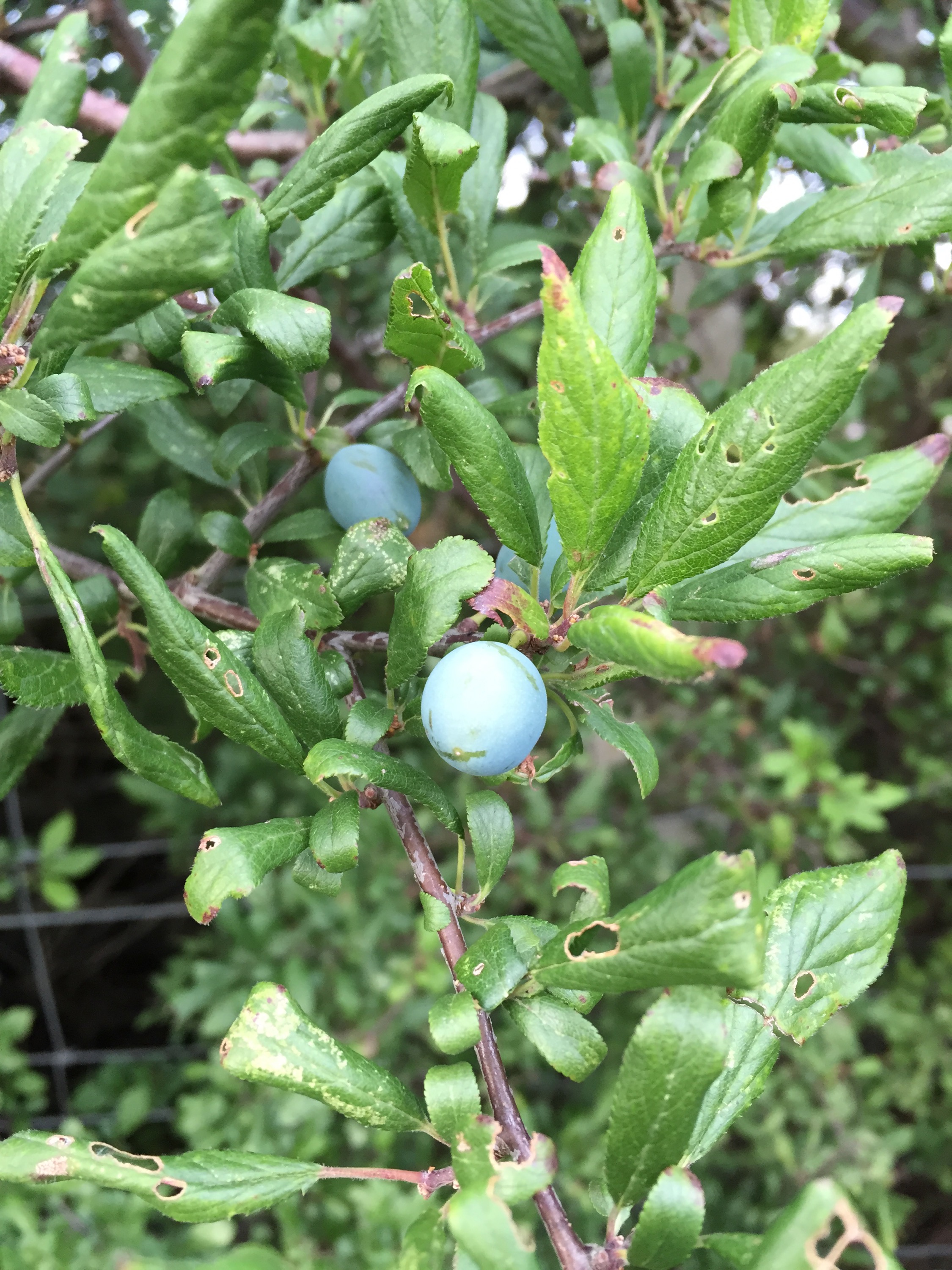
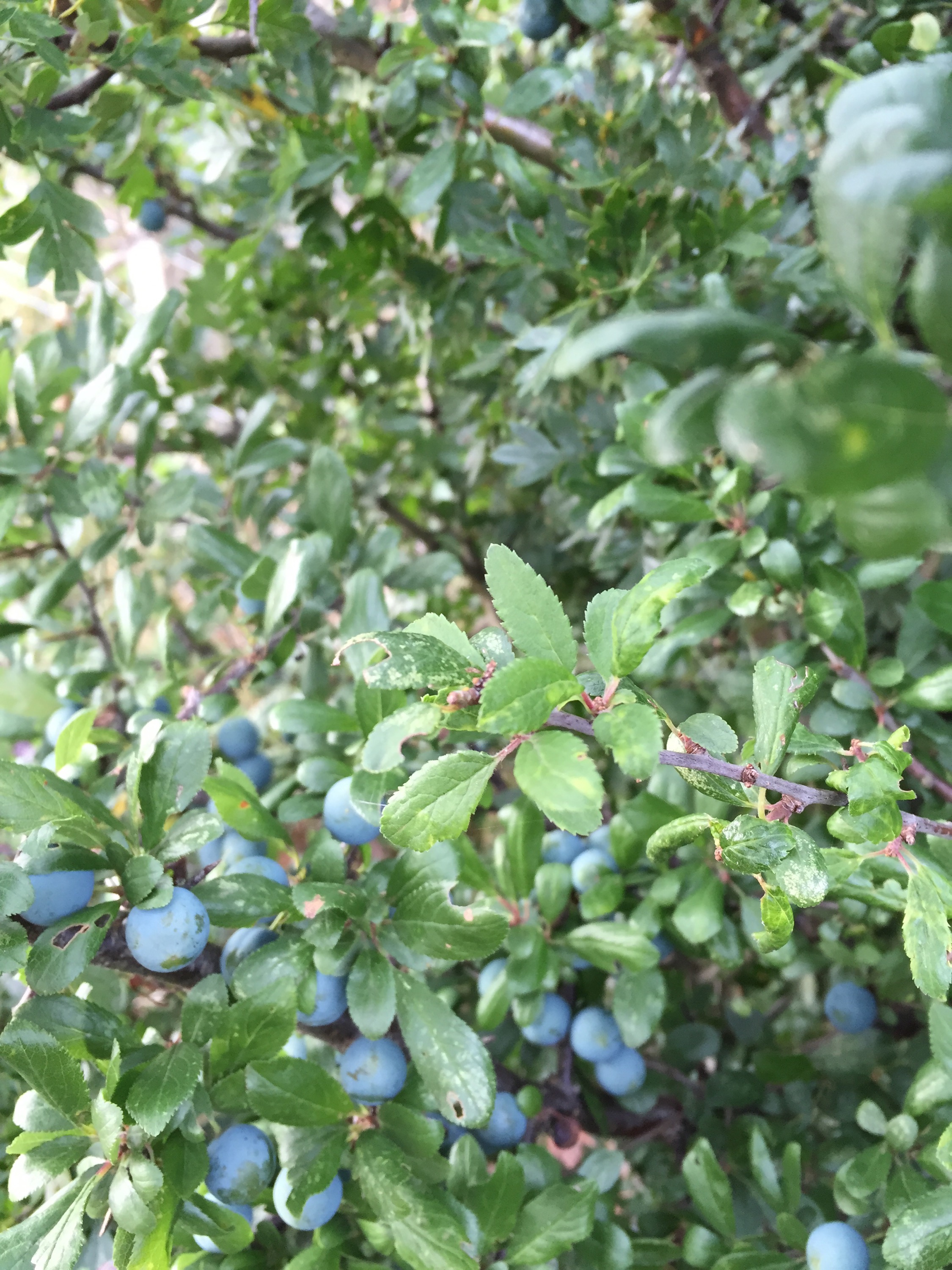
This is one of the easiest to spot whilst the sloe berries are growing. These are small round black berries that can be used to make slow gin, wine and other edibles. They are very bitter to taste early in the season. Blackthorn only grows 6-7m in height and is often mistaken for a bush. The wood from this tree is used to make walking sticks and traditional Irish shillelaghs.
Mythology
The Blackthorn is associated with witchcraft as it was believed wands and magic staffs were also made from its wood. (easy to remember given its name)
Elder
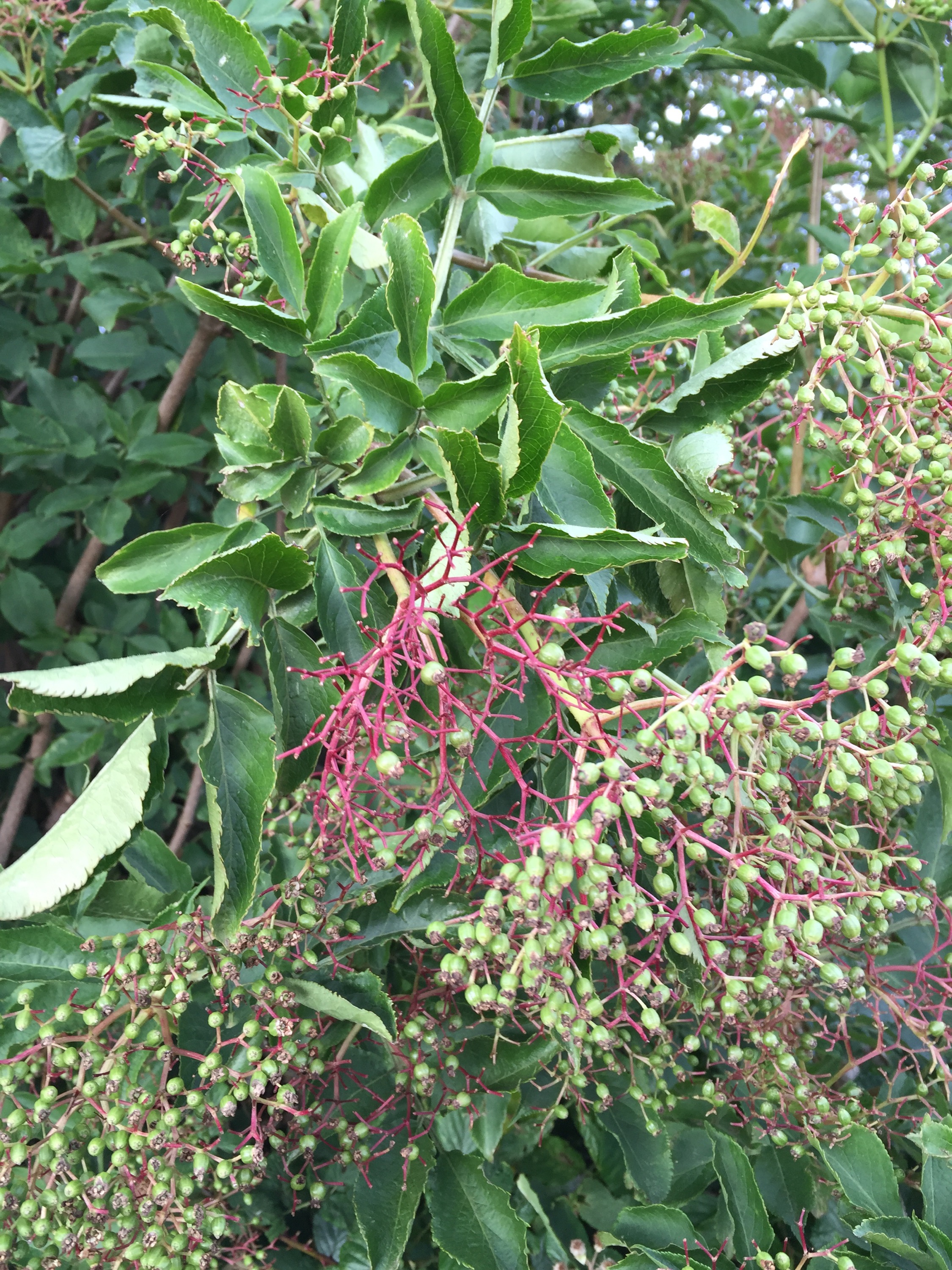
Elder is another easy spot for the leader. It has very characteristic berries in large clusters. The tree will grow to approx. 15m high and has a corky texture to its bark. This makes good tinder when dried. The leaves and berries are poisonous and cannot be eaten from the tree although the flowers can be used to flavour wine and tea.
Mythology
In the bible Judas hanged himself from an Elder. When burnt it is said you would see the Devil, however if planted close by it would ward off the evil spirits.
Holly
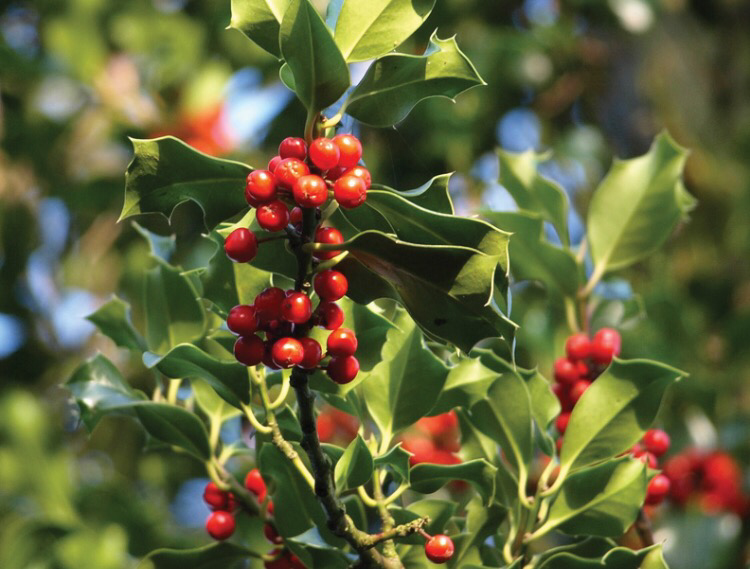
The most recognisable and everyone in your walking group will be able to spot this festive evergreen. It is a small tree but will live for up to 300years!. It is great to use on the fire as it produces a lot of heat when burnt.
Mythology
Holly is seen as a symbol of fertility hence its connection with Christmas. Making wreaths and charms are thought to ward off evil spirits.
Hawthorn
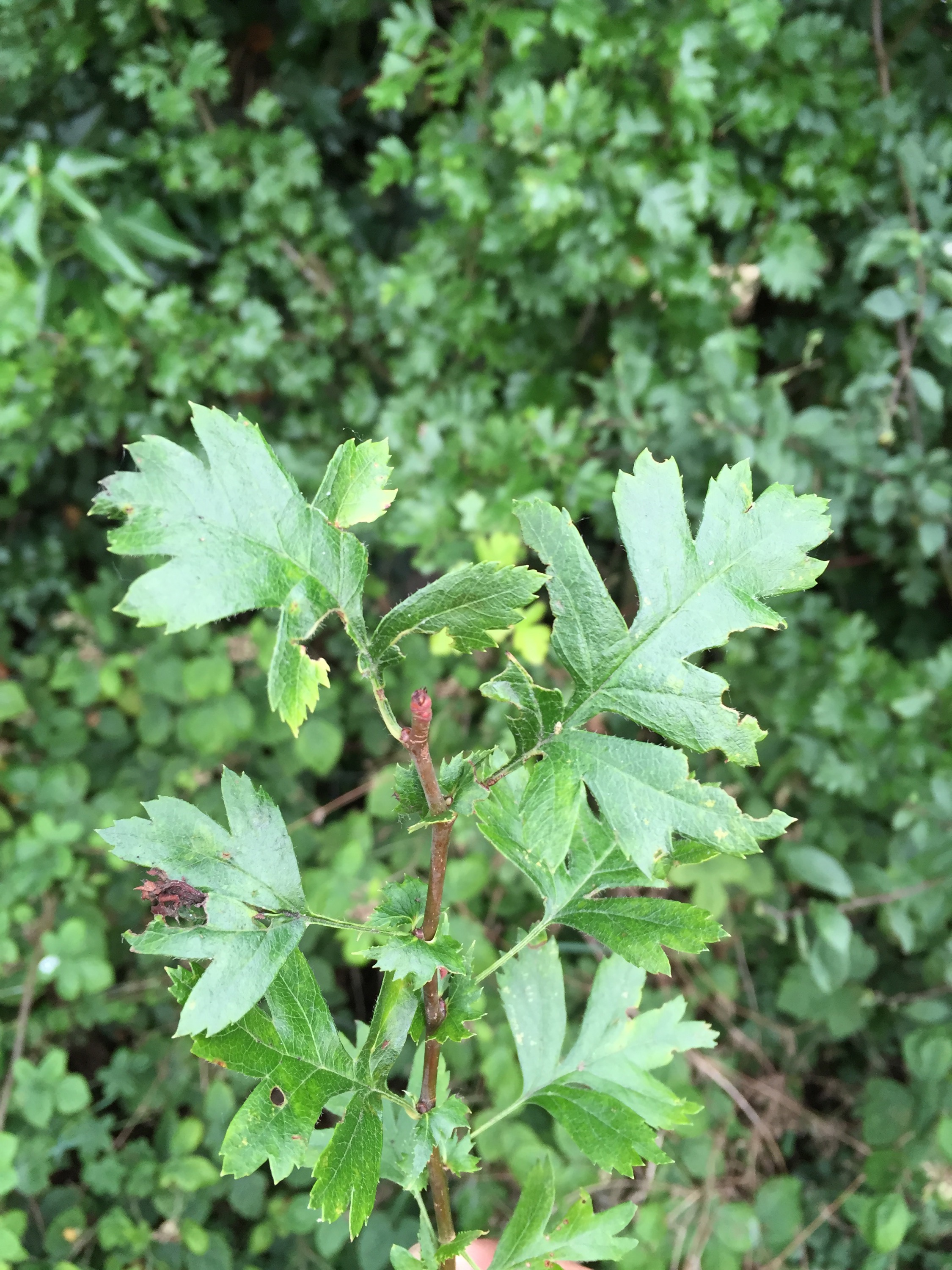
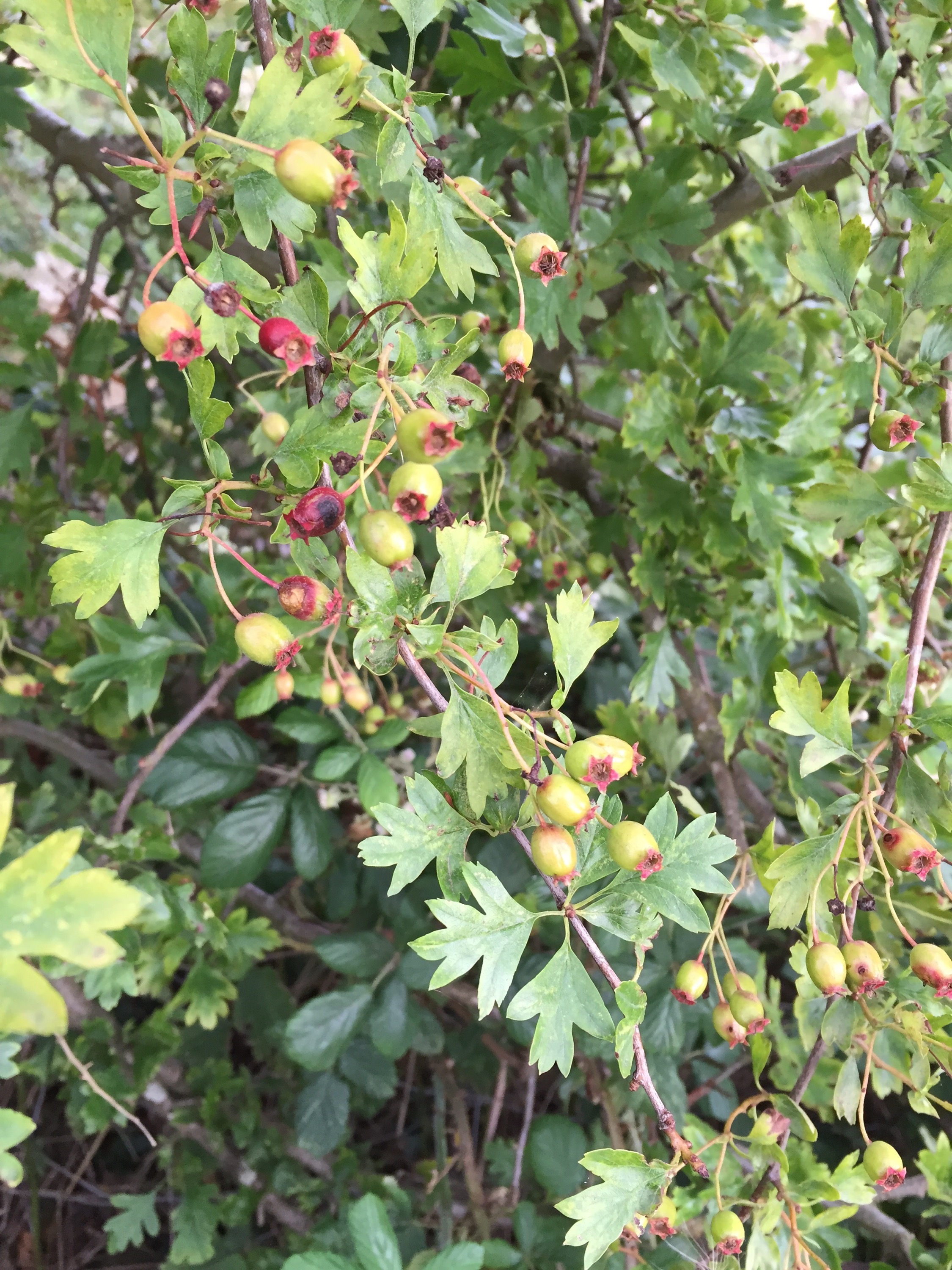
Hawthorn is another easy spot for the leader. It loves the hedgerows and is a hardy tree. Many insects are attracted to this small (15m) tree so it is a good place to look for other points of interest. The leaves of this tree are really easy to identify. The tree is very dense and thorny and farmers regularly let it grow on their field boundaries. It has led to many punctures on biking trips.
Mythology
Hawthorn is known as the May-tree, as this is the time of year it flowers. The flowers in the home are thought to bring death and illness. The smell of the flowers is said to smell of decaying flesh.
Oak
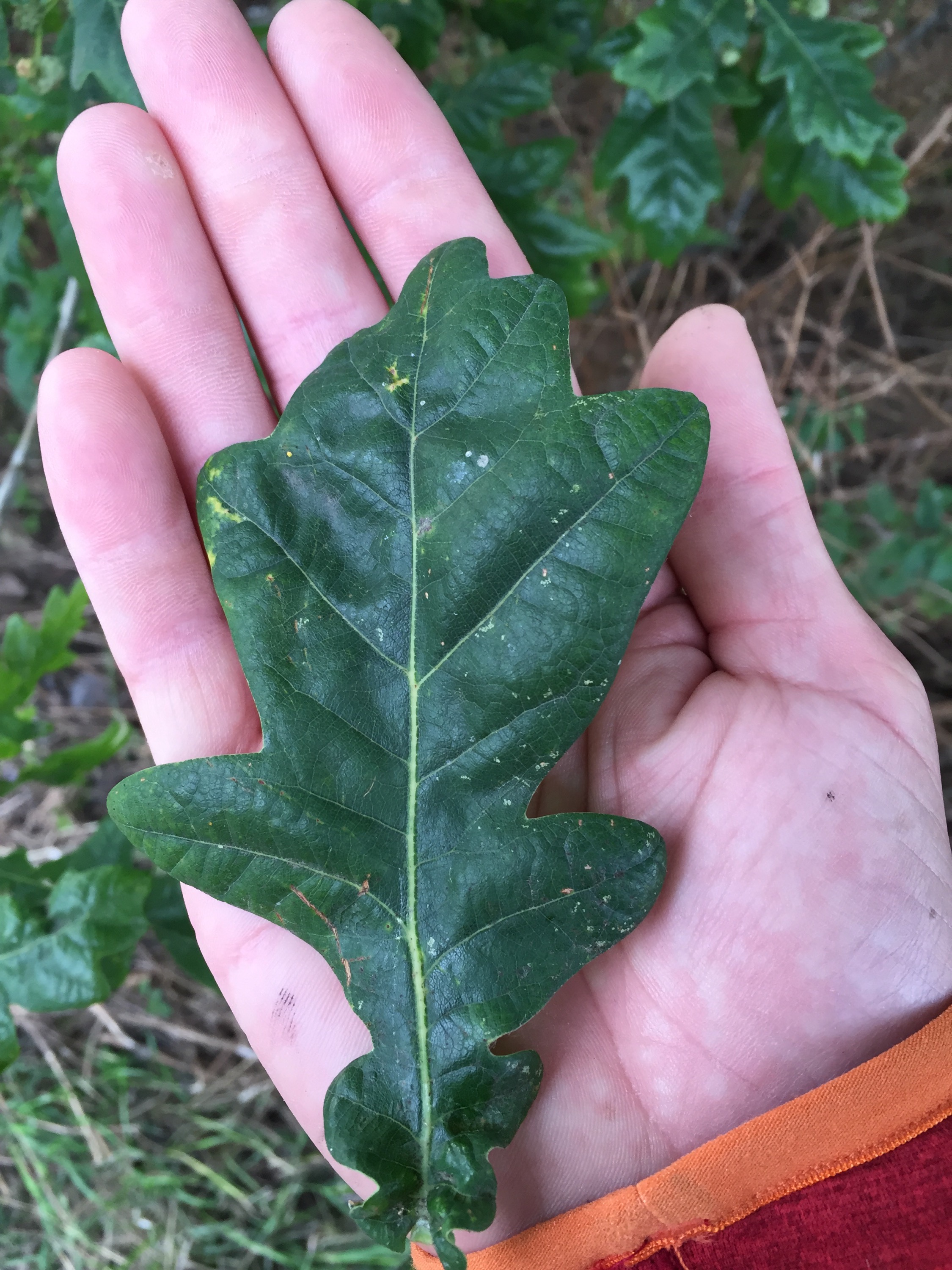
Growing 20m – 40m in height and being one of England’s most recognisable symbols, it is worth knowing some history and facts on this deciduous King. It goes without say that this is England’s National Emblem. The lobes on the leaves are familiar to all and the acorns in their deep cups are often thought of when discussing this tree. What is not often known is that a tree will not produce acorns until around 40yrs of maturity.
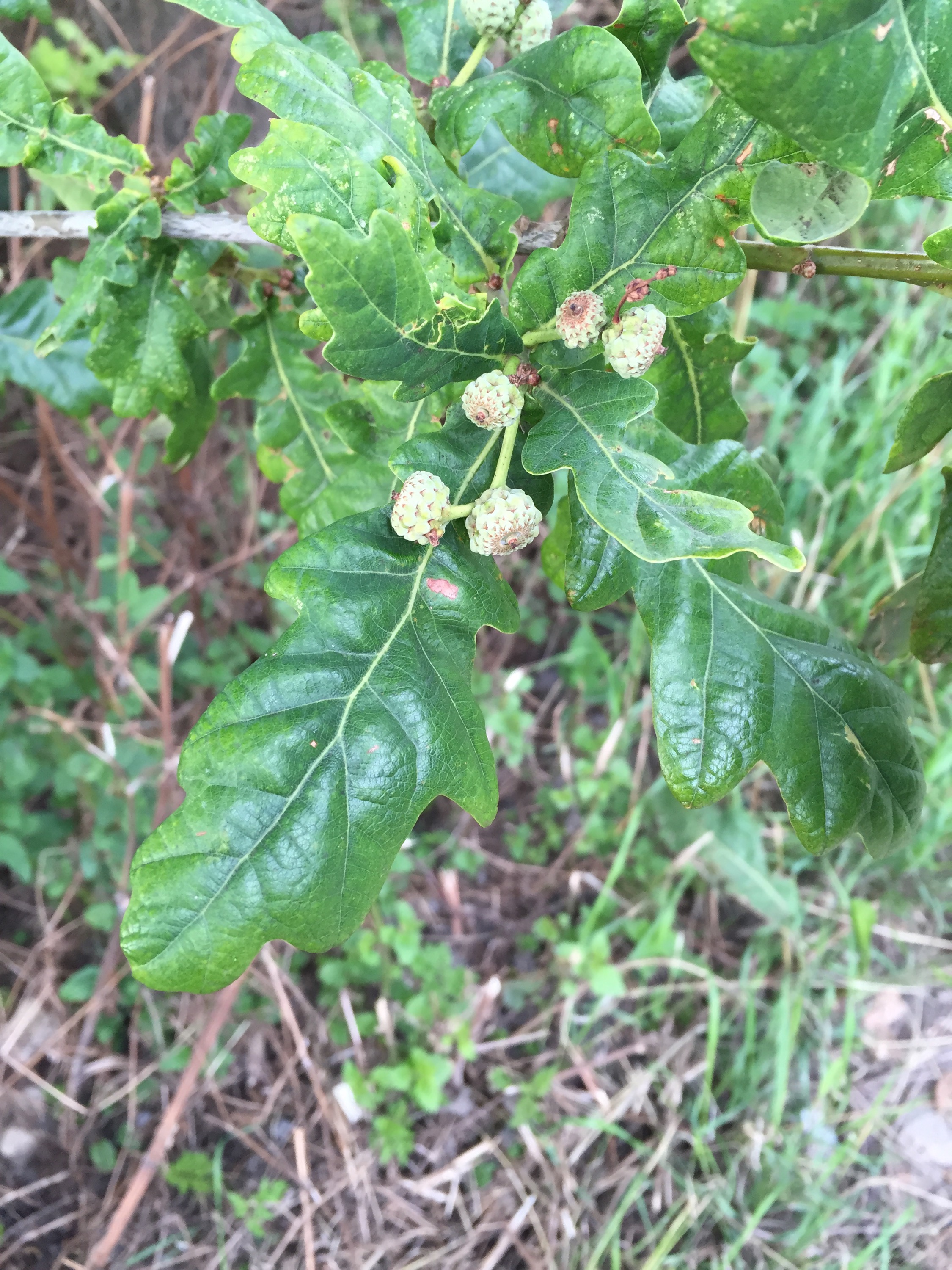
MythologyThe Druids worshipped this tree and would not meet unless by an Oak tree. The root system will mirror the tree above ground and will reach deep and wide. Due to this it is seen as a conductor between the sky and the Earth.
A spell for male fertility: Hold an acorn in your right hand. Direct your energy into this and speak your incantation. Carry it with you for nine days and then bury it in the ground. A good spell to give your lads group on a walk to slow them down whilst the leader gets their breath back!
In 1651, following defeat in the English Civil War, King James II hid in an Oak tree to escape the Roundheads. To this day we have many pubs called the Royal Oak and they often depict this scene on their signage.
Ash
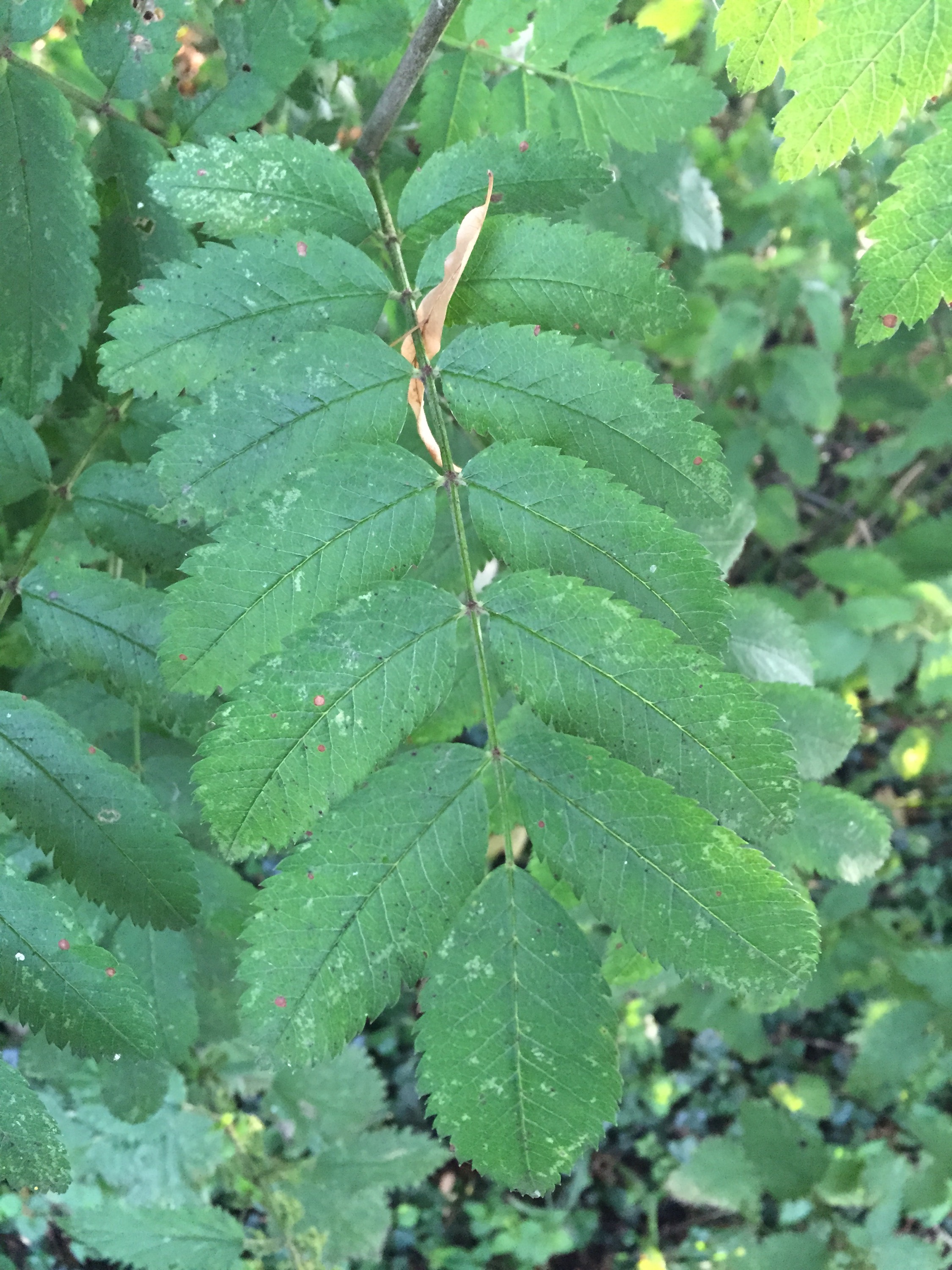
Ash Trees are very common throughout the UK. They are easily identified as there will be 6-10 pairs of oval leaves opposite each other like a feather. A single leaf terminates the branch as seen in the picture. This tree gives a good canopy and cover for nesting birds such as woodpeckers. Bull finches will often eat the seeds. It is a hard wood and is used to make handles for tools as it does not easily splinter.
Mythology
Ash is referred to as the ‘tree of life’ in Norse mythology. Thought to have medicinal value and burned to ward off evil spirits.
Phil Collier is a Mountain Instructor and provider for Mountain Training’s Hill & Mountain Skills Scheme.
Sources for reference:
http://www.nationaltrust.org.uk


 philcollierMI
Recent Comments